
The differences between prime lenses and zoom lenses has changed over the last few years. No longer are zoom lenses the low image quality option that they were once seen to be. So, with that in mind, do we need to buy a prime lens on 2025?
The first thing we need to do is discuss the difference between a prime lens and a zoom lens. Although it may seem obvious to many of us, if you are new to photography, or a casual photographer, you may not realise the difference. We will follow this with a breakdown of their respective advantages and disadvantages.
Differences between a prime lens and a zoom lens.
The primary difference between a prime lens and a zoom lens lies in their focal length:
- Prime Lens: Has a fixed focal length, meaning it cannot zoom in or out. If you want to change your magnification or field of view, you have to physically move closer to or farther from your subject (“zoom with your feet”). Examples include a 50mm f/1.8 or a 24mm f/2.8.
- Zoom Lens: Has a variable focal length, allowing you to change your magnification or field of view by rotating a zoom ring on the lens. Examples include a 24-70mm f/2.8 or a 70-200mm f/4.
A breakdown of their respective advantages and disadvantages:
Prime Lens
Advantages:
- Superior Image Quality: Generally, prime lenses produce sharper images with less distortion, chromatic aberration, and vignetting. This is because their simpler optical design, optimized for a single focal length, allows for fewer elements and less compromise in glass quality.
- Wider Maximum Apertures (Faster Lenses): Primes often have much wider maximum apertures (e.g., f/1.2, f/1.4, f/1.8). This translates to:
1. Better Low-Light Performance: More light can reach the sensor, allowing for faster shutter speeds and lower ISO settings in dim conditions.
2. Shallower Depth of Field (More Bokeh): Wider apertures create a very shallow depth of field, effectively blurring the background (bokeh) and making your subject stand out.
- Smaller and Lighter (Generally): Due to their simpler construction, primes are often more compact and lighter than zoom lenses, making them more portable and less conspicuous.
- Often More Affordable (for comparable maximum aperture): While professional-grade primes can be expensive, many excellent primes (especially 50mm f/1.8 lenses) are very budget-friendly.
- Encourages Creative Composition: Because you can’t zoom, primes force you to think more about your positioning and composition, which can improve your photographic skills.
Disadvantages:
- Limited Versatility: You’re stuck with one focal length, meaning you might need to carry multiple prime lenses to cover a range of shooting situations.
- Less Convenient: Constantly switching lenses can be time-consuming and inconvenient, especially in fast-paced environments or when you can’t physically move.
Zoom Lens
Advantages:
- Versatility: This is the biggest advantage. A single zoom lens can cover a range of focal lengths, allowing you to adapt to various shooting scenarios without changing lenses.
- Convenience: No need to swap lenses, which saves time and reduces the risk of dust on your sensor. Ideal for travel, events, or situations where changing lenses is impractical.
- Framing Flexibility: You can precisely frame your shot by zooming in or out, which is invaluable when your subject is difficult to approach or move away from.
- Often Include Image Stabilization: Many modern zoom lenses come with built-in image stabilization (IS/VR/OS), which helps reduce camera shake, especially at longer focal lengths or in low light.
Disadvantages:
- Generally Lower Image Quality (compared to primes): While professional-grade zooms offer excellent image quality, they often don’t match the sharpness, minimal distortion, and light transmission of a good prime lens, especially at their widest apertures. This is due to the compromises necessary in their more complex optical design.
- Slower Maximum Apertures: Zoom lenses typically have narrower maximum apertures (e.g., f/2.8, f/4, f/5.6), especially consumer-grade ones. This means:
- Poorer Low-Light Performance: Less light reaches the sensor, requiring higher ISOs or slower shutter speeds.
- Less Background Blur: It’s harder to achieve a very shallow depth of field.
- Larger and Heavier: The complex mechanics and multiple glass elements required for zooming make zoom lenses generally bulkier and heavier than primes.
- More Expensive (for comparable quality and aperture): High-quality, fast zoom lenses (e.g., f/2.8 professional zooms) can be significantly more expensive than prime lenses.
Do you need to buy and use prime lenses?
As you can see from the quite conclusive reasons above, prime lenses have their advantages over their zoom lens counterparts. If you are a wedding/portrait/event/night photographer, having a prime lens is essential, and not just for the background blur, but for the light gathering capabilities.
As an example:
F/1.2 is 5.44 times more light gathering than F/2.8
F/1.4 is 4 times more light gathering than F/2.8.
F/1.8 is 2.4 times more light than F/2.8
And even F/2 is twice as much light gathering than F/2.8!
As you can clearly see, that is a lot more light, which means it gives you more options, as compared to an F/2.8 lens, you can either shoot at faster shutter speeds or lower your ISO (or have more flexibility with adjusting both ISO and shutter speed).
And yes, we know much ISO performance and more light noise is much better these days, so the advantage of faster shutter speeds alone in the dark make the purchase of a prime lens worth it.
There will be of course people who will say “just use a flash”, and certainly, this makes huge sense as you then control the light, however many indoor venues (especially the ceremony of a wedding) don’t always allow you to use flash, or you are restricted to when/where you can use it.
One of the major advantages for creative events/portraits (etc) photographers is also the extra background blur (or Bokeh) that you get with prime lenses. They generally give the images a certain look and feel that make the images feel more professional compared to images taken on standard lenses.
In summery
And so I think at this point you can evaluate for yourself if you need to own a prime lens or two. After all, you are the one who will be using the lenses.
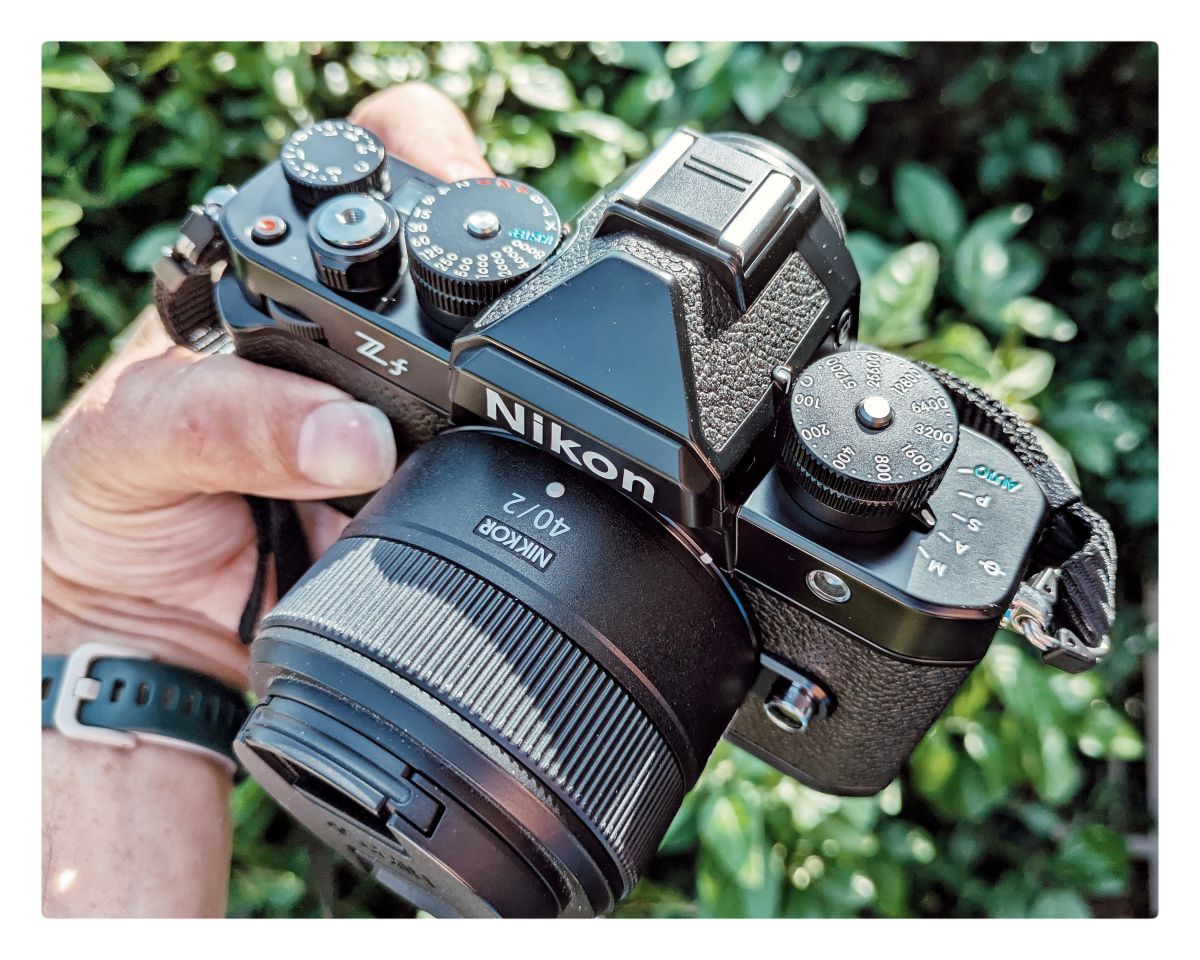
For me, I can go out all day with just one prime lens fixed to my camera (usually a 40mm F/2) and not feel the need to use another lens, one camera and one lens. In any events or portrait shoots I can happily live with a a single prime lens or at most the 35mm F/1.4 and an 85mm F/1.8 lens and not require any other lens.
Let me know your thoughts having read the advantages and disadvantages of owning these lenses.
 One Camera One Lens Photography
To the point story! Like you, I also go out with only one prime; most of the time my favorite SONY 35mm F1.4. I have used a Nikon D700 for many years; with a 24-70, F2.8 over all. Also a great lens; a real work horse; only the boceh could have been better. I use to shoot theater and music performances with children on a stage every now and then in those days. Over all shots and individual performers.. I couldn’t have done it without a zoom. When I made the switch to SONY system camera’s I only bought a few good primes (18mm; 35mm and 90mm macro). Mainly to decrease the size and weight of things. The subtle qualities of primes are better; as you pointed out; and for nature and landscapes; my main subjects nowadays, you don’t need a zoomlens (only for animals they might be usefull).
LikeLiked by 2 people
Thank you very much, yes, there’s no denying a good prime lens is a beautiful thing.
LikeLike
You’ve laid everything out clearly and thoughtfully for your readers, Mark. As you say, it really depends on the kind of photographer you are—and what you want to be able to do.
I just picked up an Olympus 12mm prime myself, even though I already have several zooms starting at 12mm. But like you, I’m curious to see if I can get used to being “stuck” at one focal length—it’s a good challenge.
Looking forward to seeing where your story goes from here. Enjoy your Sunday with the family!
– Marc
LikeLiked by 2 people
Thank you Marc, I think you’ll enjoy a couple of days on the bicycle with the 12mm lens only on your camera. It’ll make you think I’m a totally different way to when you have your zoom lenses.
Enjoy the rest of the weekend 🙏
LikeLiked by 2 people
I like the Nikkor 40/2 as well. It’s very sharp. I guess it depends on need and look. I don’t always want or need sharp. Many zooms are sharp enough for most purposes. And walkaround zooms can be useful because it is not always possible to zoom with the feet.
LikeLiked by 1 person
Prime lenses have come a long long way, I like to have character in a lens for general shooting, and sharpness for weddings/events/portraits. Thank you for commenting.
LikeLiked by 1 person
Indeed. It really all depends on your need. I have some terrible old zooms that have a certain charm. They are far from sharp.
LikeLiked by 1 person