

In this article we look at famous street photographers, and see what their most commonly used focal length was for taking the images they are most famous for taking. Most of these have taken classic photographs, and over the years, with the accessibility of cameras and lenses, some of these focal lengths might not be what you expect to use.
Some photographers I may have listed under numerous focal lengths as their work incorporated more than just the one focal length over the years, or of course they may have switched focal lengths further into their careers. Some of them had very long careers, so there will be an overlap. All information was gathered from the websites or extensive articles of these photographers, and each one is worth checking out when you have the time!
Famous for 28mm focal length;
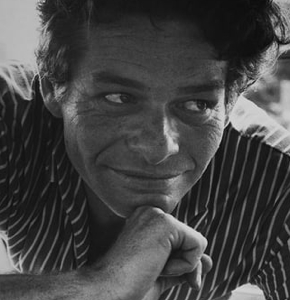
Garry Winogrand Mid-20th Century, American Street Life.
Winogrand is arguably the most famous proponent of the 28mm. He used it on his Leica M4 to capture the chaotic energy of New York and American streets. The wide angle allowed him to include multiple subjects and layers, resulting in his signature dynamic, often tilted, and seemingly spontaneous compositions.
Daido Moriyama Late 20th Century, Japanese Provoke Movement
Moriyama is known for his raw, grainy, high-contrast, “Are-Bure-Boke” (rough, blurred, out-of-focus) style. He often used the Ricoh GR series of compact cameras, which have a fixed 28mm lens, allowing him to shoot quickly, discreetly, and from the hip to capture the darker, chaotic side of Tokyo’s streets.
Bruce Gilden Late 20th/Early 21st Century, Aggressive Street Portraiture
While Gilden has used various lenses, he is well-known for using wide-angle lenses like the 28mm (and sometimes 21mm) with an off-camera flash. This forces him to get extremely close to his subjects, making them loom large and creating his signature, confrontational, and in-your-face style.
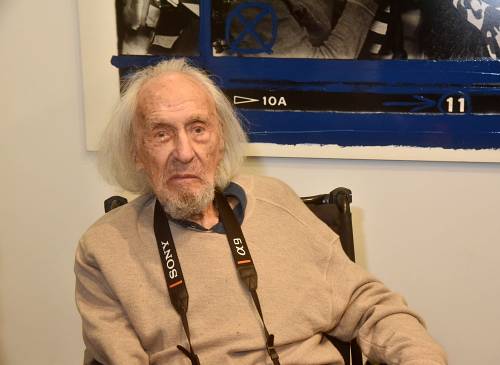
William Klein Mid-20th Century, Fashion and Street Photography
Klein is known for his use of wide angles, high contrast, and a sense of motion and chaos, especially in his book Life is Good & Good for You in New York. While he often used a 35mm, he was influential in pushing the boundaries of what a wide-angle lens could do in a documentary style, often incorporating the edge distortion that a 28mm provides.
Josef Koudelka Mid-20th Century, Documentary/Reportage
Although not exclusively a street photographer (he is famous for documenting the invasion of Czechoslovakia and the European Gypsies), Koudelka is a master of the wide-angle aesthetic. He often used a 25mm lens, which shares the same extreme wide-angle characteristics as the 28mm and is central to his dense, theatrical, and complex compositions.
Famous for 35mm focal length;
Alex Webb Contemporary, Colour Street Photography
Webb is the modern master most synonymous with the 35mm (often a Leica Summicron). He uses it to create his incredibly complex, layered, and often intense colour photographs. The 35mm allows him to maintain a wide view to include foreground, midground, and background elements, often with dramatic light and shadows.
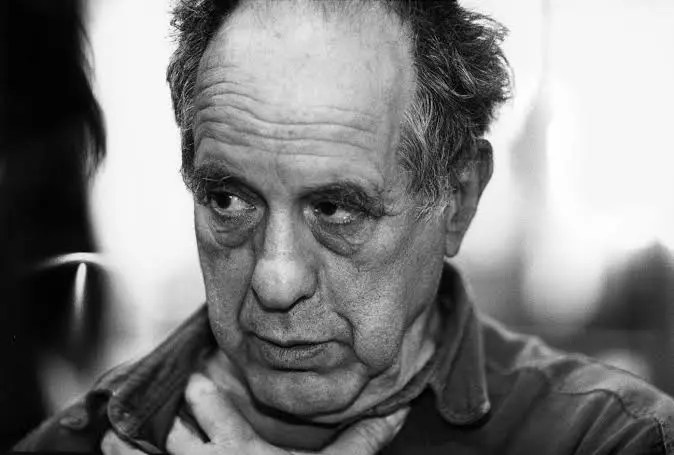
Robert Frank Mid-20th Century, Documentary/Street
While Frank used 50mm and 90mm lenses, the wide perspective achieved with a 35mm lens is crucial to the gritty, unvarnished, and anti-establishment aesthetic of his seminal work, The Americans. The 35mm helps capture the environment and social context surrounding his subjects.
Garry Winogrand Mid-20th Century, American Street Life
Although primarily famous for the 28mm, Winogrand also frequently switched to the 35mm lens. He appreciated the slightly tighter field of view when he wanted to isolate a subject from the extreme background chaos more cleanly, but still retain a strong environmental context.
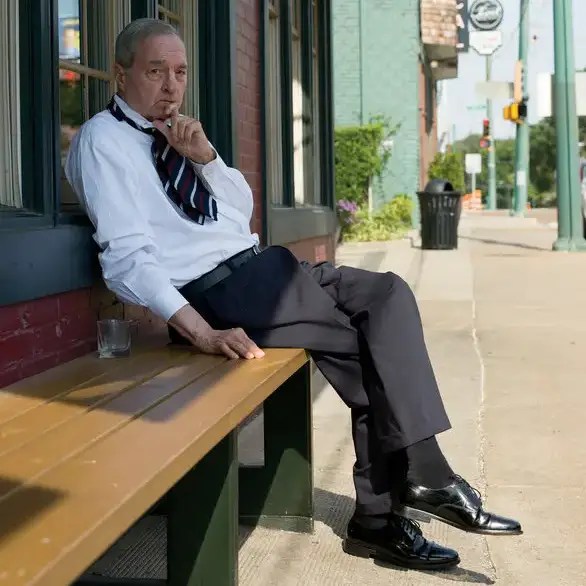
William Eggleston Contemporary, Pioneer of Color Photography
Eggleston’s revolutionary color work, which elevated the mundane to fine art, was often captured with a 35mm lens. The 35mm allowed him to create the casual, snapshot-like compositions of his unique perspective on the American South.
Mark Cohen Late 20th Century, Intrusive/Flash Street Photography
Cohen is known for his aggressive, often close-up style where he quickly takes flash pictures of people in the streets of Wilkes-Barre, Pennsylvania. He is strongly associated with the 35mm lens (and sometimes wider) for its ability to capture the immediate environment in a dynamic, high-contrast flash photo.
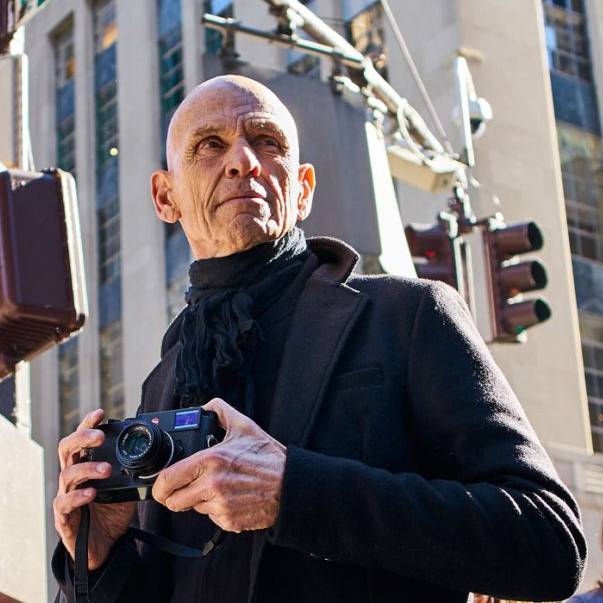
Joel Meyerowitz Mid-20th Century, Colour Street Photography
Meyerowitz, another pioneer of colour street photography, is closely associated with the Leica and the 35mm lens. He used it to document the vibrant and energetic street life of New York City, appreciating its versatile balance of wide view and manageable distortion.
Famous for 50mm focal length;
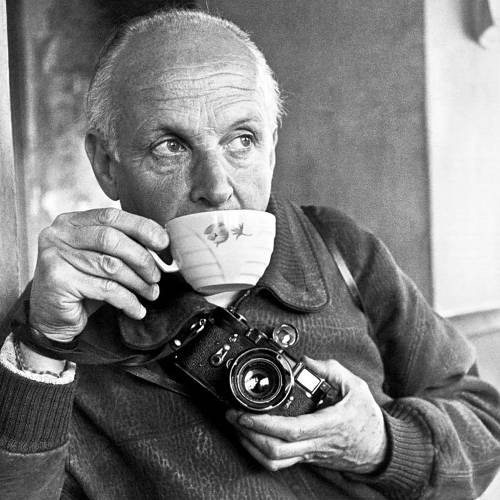
Henri Cartier-Bresson Mid-20th Century, Founder of Magnum
Cartier-Bresson is the single most famous proponent of the 50mm (usually a Leica Elmar or Summicron). He used it almost exclusively throughout his career, believing it was the only lens that presented the world honestly and enabled him to capture the “decisive moment” with perfect, uncropped, and geometric composition.
Elliott Erwitt Mid-20th Century, Humanist and Humorous
Erwitt, famous for his witty and often charming black-and-white images (especially of dogs and ironic human interactions), largely favoured the 50mm lens on his Leica. It allowed him to work close enough for intimacy but provided a comfortable separation to capture his signature visual jokes and juxtapositions.
Robert Doisneau Mid-20th Century, French Humanist
Known for his classic and romantic images of Parisian life, such as Le baiser de l’hôtel de ville (The Kiss), Doisneau primarily used a Leica with a 50mm lens. The focal length provided the perfect amount of isolation to focus on the tender, humanistic vignettes playing out on the street.
Helen Levitt Mid-20th Century, New York City Street Photographer
Levitt, a pioneer of American street photography and colour work, predominantly used a small camera like a Leica with a 50mm lens. Her work focused heavily on children and candid moments, where the 50mm allowed her to isolate subjects and capture the natural, theatrical quality of everyday life.

Robert Capa Mid-20th Century, Photojournalist/War Photographer
Capa, a co-founder of Magnum alongside Cartier-Bresson, often used a 50mm lens on his Contax or Leica for his iconic war and conflict photography. For him, the 50mm was the ultimate, fastest, and most reliable lens, capturing images close enough to be in the action (“If your pictures aren’t good enough, you’re not close enough”).
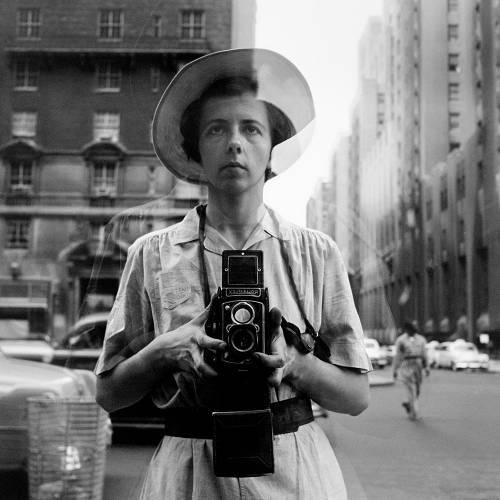
Vivian Maier Mid-20th Century, Candid Street Photographer
While Maier often used a Rolleiflex medium format camera with an 80mm lens (which is roughly the equivalent of a 45mm-50mm on a 35mm camera), this is the focal length she is visually associated with. The Rolleiflex’s top-down viewing method and the 50mm equivalent field of view allowed her to capture remarkably intimate, often centred, and beautifully composed portraits on the streets of Chicago and New York.
This has been Part 2 of a 12 part series for “12 Days Of Christmas 2025”. A collection of new articles and so much more from Mark G Adams from One Camera One Lens Photography as well as guest authors. Catch them all if you missed any here.
 One Camera One Lens Photography
It’s striking how many of them ended up using a Leica. The time period clearly plays a role here, but even with 35mm film there were plenty of other cameras available. Still, the Leica is the one that keeps coming up again and again.
Most of them are, unsurprisingly, street photographers – or at least focused primarily on street and urban life. From that perspective, a rangefinder makes a lot of sense: quieter, less conspicuous, and simply better suited to the way people actually work on the street than the SLRs of that era.
Interesting article, Mark, and very nicely put together.
Have a great Sunday !
LikeLiked by 1 person
Thank you Marc. I love street photography, but I do it very rarely as I feel like I don’t live in or near a big enough, or interesting enough town. Yes, Leica and street photography go hand in hand, even today!
Have a great weekend.
LikeLiked by 1 person