
You have two options of leaving your images and your legacy for your friends and family, because your social media and your websites won’t be around for ever, and there’s a huge possibility that you’re friends and family will have no interest in using editing software, or even have the knowledge to open up the files you have left them.
It is hugely important, that you keep your most precious images. Not the artistic edits, or the wildlife and flower shots you’ve taken, but the really important images. The images you take of your family, your friends, and the images that you have included yourself in.
Looking to the future.
A lot can happen in the future, and because of the uncertainty, it’s important to leave your images as accessible as you can for those you love to find and enjoy.
Looking back to the past, there’s no doubt that you still have family photos from your parents, grandparents and even older generations.
Looking to that future that waits for us all, we need an accessible legacy for our children, grandchildren and beyond. That accessibility will not be leaving your images on digital platforms, they come and go like ancient civilisations. You need to leave them one or even both of the options that I’ll highlight, and give them a fighting chance of enjoying the history you have created.
Option 1: The old fashioned way.
I know I harp on about printing your work, but when it comes to family, friends and special occasions, printing should be a priority.
In generations to come, your family prints, family photos taken on film such as Instax, your photo albums and your photo-books that you’ve made will all be easily accessible. Yes, they might fade, but as we know, it’s easy to correct those disadvantages of the passing of time.
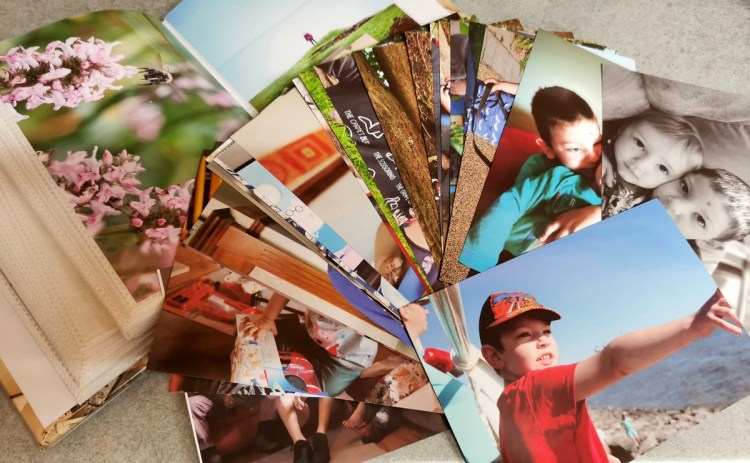
Ensure you keep your photos in a dry storage area or box, and they’ll last for a lifetime. If something happens to you, they’ll be found and enjoyed by others (and sadly, some will be thrown away, but that is life).
Option 2: Universal digital files.
Chances are, in years to come, a lot of the digital files we take for granted now will be long forgotten. So you’ll need files that will be fully accessible by anyone of any age and level of technical knowhow.
This means. saving your most precious memories as jpeg files. The most common and universal digital file format for images.
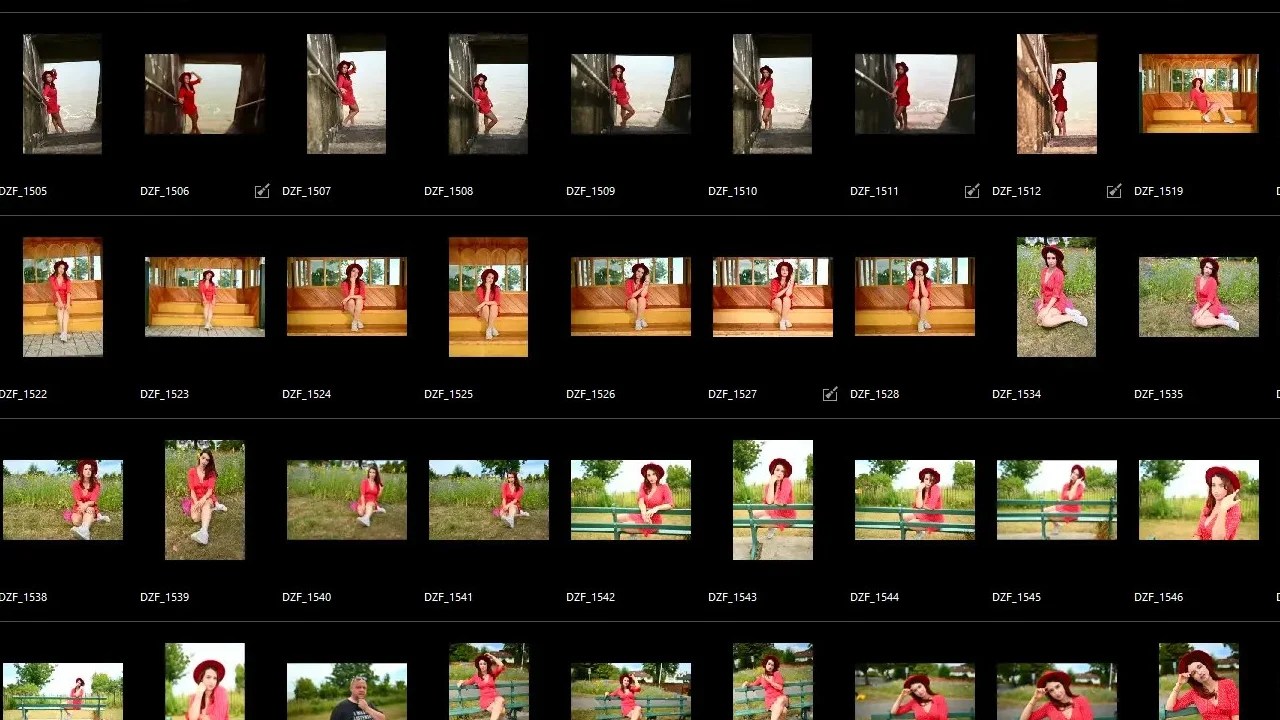
Of course, digital files can corrupt, and storing those files for many years in itself is a challenge. So you need to keep your digital files on hard drives or USB sticks and also store those away safely. Because of their nature, there is more chance of the data being lost (atmospheric conditions, moisture in air, parts just failing and disintegrating with time) so multiple backups may be necessary.
Conclusion
The idea is to keep it as simple as we can for future generations. Your images need to be found easily, accessed easily and of course viewed easily.
Anyone can pick up a photo album, but don’t forget that not everyone will know how to access a file, so it needs to be super simple, in a format that anything will always be able to access. Online storage companies come and go, often close down after a short time, and even more often closing down after a few years when you think they are safe and there forever. Good luck with believing a company will last for half a century.
It’s easy to say you have a system in place, or software set up to read your files a certain way, but the reality is, that is just you. The majority of your relatives and friends will have little to no idea of what they are doing.
Keep your legacy alive. Keep it simple.
This has been Part 11 of a 12 part series for “12 Days Of Christmas 2025”. A collection of new articles and so much more from Mark G Adams from One Camera One Lens Photography as well as guest authors. Catch them all if you missed any here.
 One Camera One Lens Photography