For many, the true art of photography happens in the field, not behind a computer screen. While modern post-processing software offers incredible tools to polish a digital file, the core of great photography relies on the choices made at the exact moment the shutter clicks. Making deliberate, precise adjustments in the camera is the single best way to elevate your craft, streamline your workflow, and respect your artistic vision.
And here is the most important truth up front: it does not matter if you shoot in RAW or JPEG.
While digital discussions often revolve around file formats, the physics of light and the discipline of shooting remain exactly the same. Whether you prefer the uncompressed canvas of a RAW file or the ready-to-share simplicity of a JPEG, mastering your settings on the spot is paramount. Here is why prioritizing the in-camera capture matters more than you think.
“Protecting the Hard Limits of Digital Light”
Every digital camera sensor, no matter how advanced, operates within strict physical boundaries. While RAW files hold a wide dynamic range and JPEGs offer an efficient, pre-processed format, neither can create image data out of thin air.
If you overexpose your highlights to the point of clipping, that data becomes pure, unrecoverable white (255, 255, 255). There are no textures or details hiding in those pixels; they are fundamentally lost.
For those who shoot JPEG, precision is even more critical because the camera bakes the exposure and colour settings directly into an 8-bit file (it can still be edited and is quite flexible, but not as flexible as a raw file). A precisely exposed JPEG will always look cleaner and more natural than a file that requires aggressive software manipulation, which can introduce digital artifacts, noise, and colour banding.
“Maximizing True Optical Quality”
Every element of your image—from sharpness to tonal graduation—is at its absolute peak the moment it passes through your lens and hits the sensor. Relying on software to alter a file after the fact always introduces a compromise in quality.
For instance, pushing shadow areas significantly in software magnifies digital noise and grain, degrading the cleanliness of the shot. Similarly, digital sharpening tools can mask a slight optical miss, but they can never recreate true, pin-sharp focus. Even cropping a poorly framed shot throws away megapixels. By capturing the composition, exposure, and focus perfectly in-camera, you utilize the maximum resolution and dynamic capabilities of your equipment.
“Staying Present in the Creative Flow”
Photography is an act of seeing, feeling, and reacting to a moment. When you are fully dialled into your camera, checking your histogram, adjusting your white balance intentionally, and framing your subject with care—you are operating as a deliberate artist. You are connected to the environment and the light in front of you.
Furthermore, a disciplined approach in the field preserves the joy of the craft. Finishing a day of shooting with a collection of beautifully exposed, well-composed frames means your time at the computer is spent on creative refinement rather than corrective labour. It transforms post-processing from an arduous chore into an enjoyable finishing polish.
“The Pillars of In-Camera Precision”
Achieving a masterful capture requires focusing on four core pillars every time you bring the camera to your eye.
First is composition. Take the time to frame the scene exactly as intended, scanning the edges of the viewfinder to ensure every element in the frame serves a purpose. Get the composition right and you’ll have next l less reason to crop your image in post, preserving the size of the file.
Second is exposure, managed accurately through the histogram. Because a camera’s LCD screen can be deceptive in bright sunlight, the histogram is the ultimate guide to ensuring highlights stay intact and shadows retain their depth. Learn your camera to understand if it under or over exposes slightly depending on the colour profile you are using too (many cameras do).
Third is colour temperature. Rather than relying on automatic settings, manually selecting a white balance like Sunny, Cloudy, or Shade forces you to read the light accurately and ensures visual consistency across a series of images. Again, some cameras will shoot slightly cool, some slightly warm and some even give slight casts, so know your camera well.
Fourth is focus. Dedicate that final split second to making sure your focus point rests precisely on the sharpest element of your subject. Modern digital cameras have amazing focus, but don’t solely rely on them.
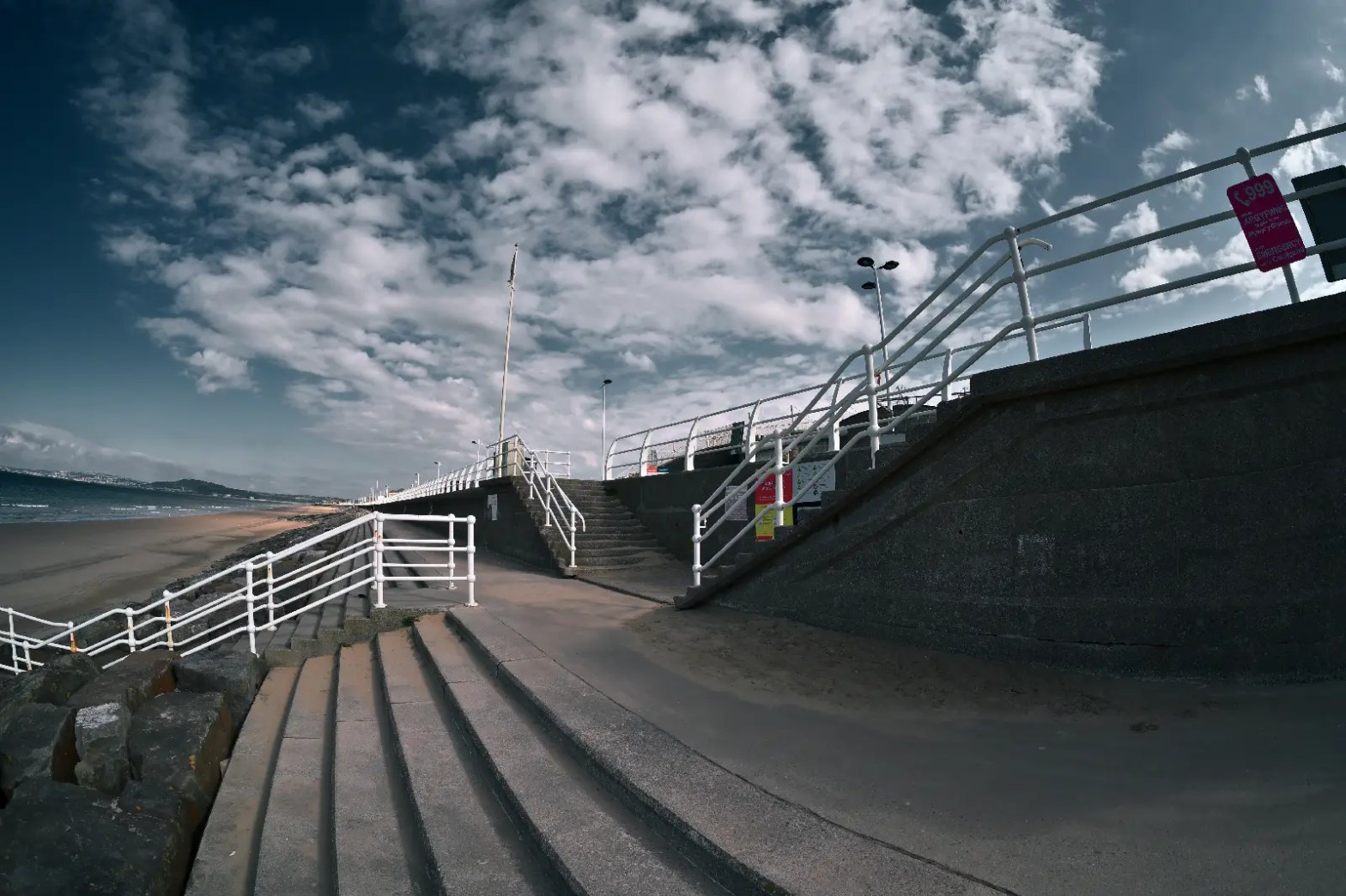
Below: A selection of straight from camera images from the Nikon Z6ii and Nikon ZF

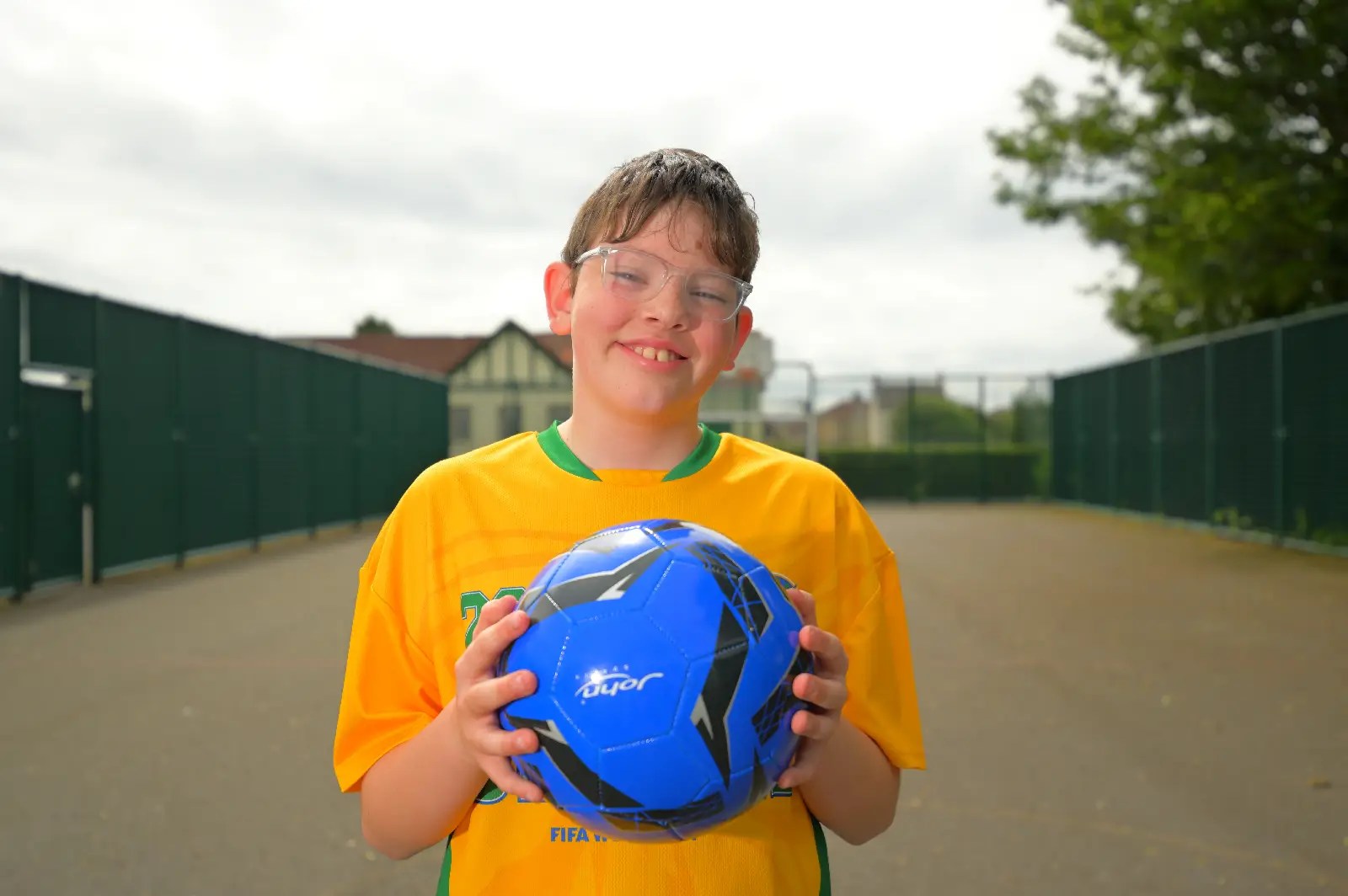
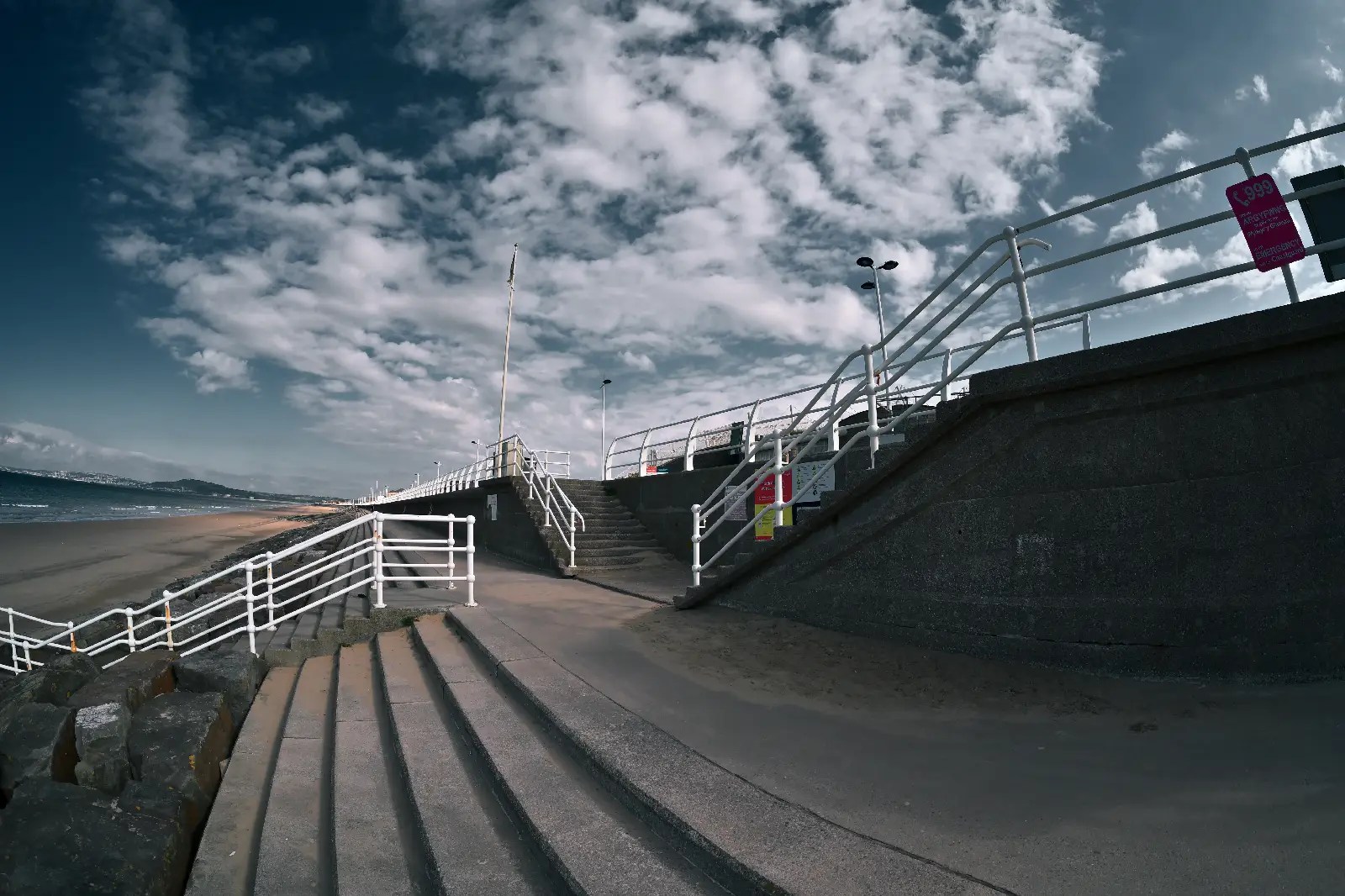

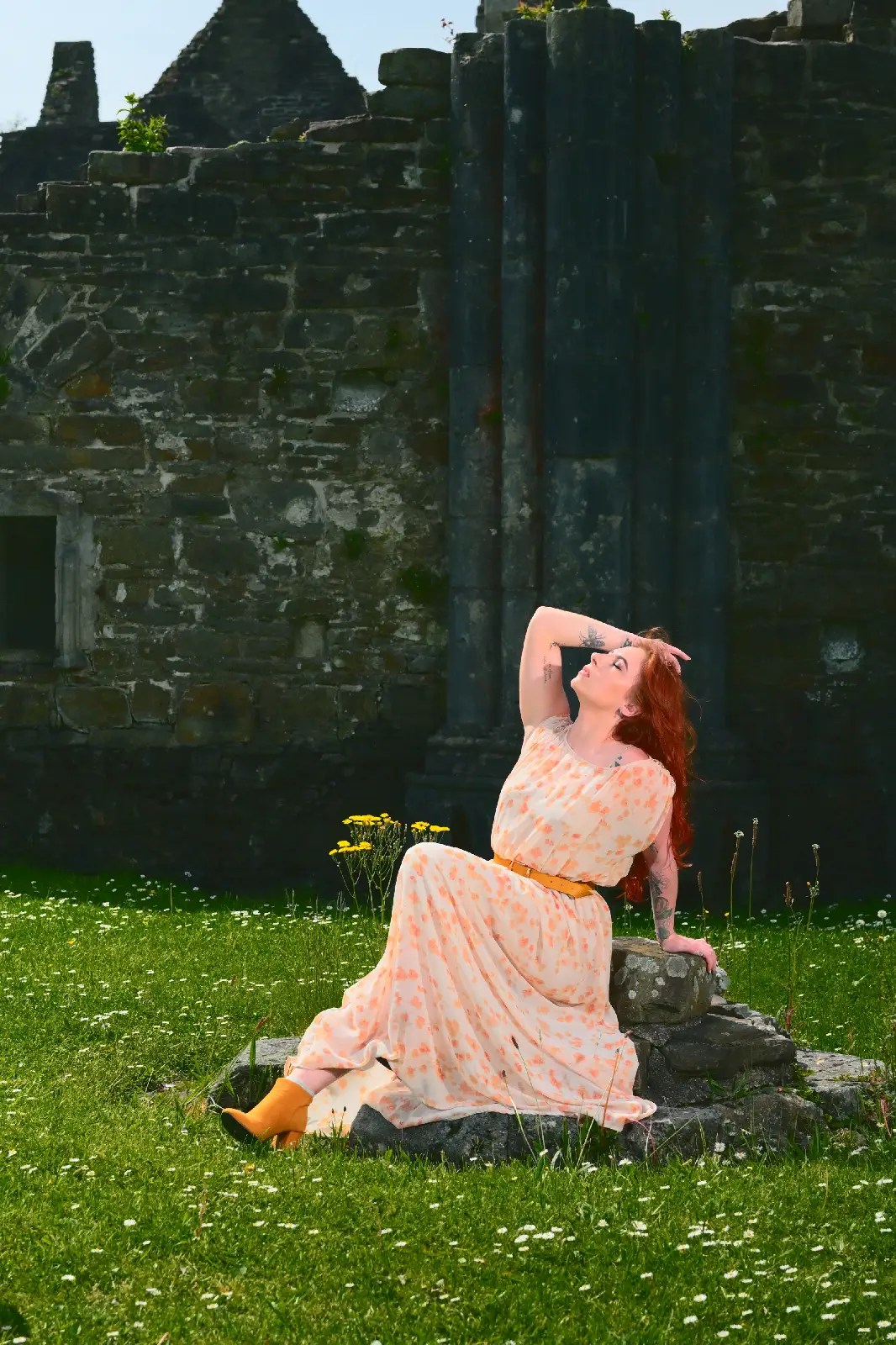
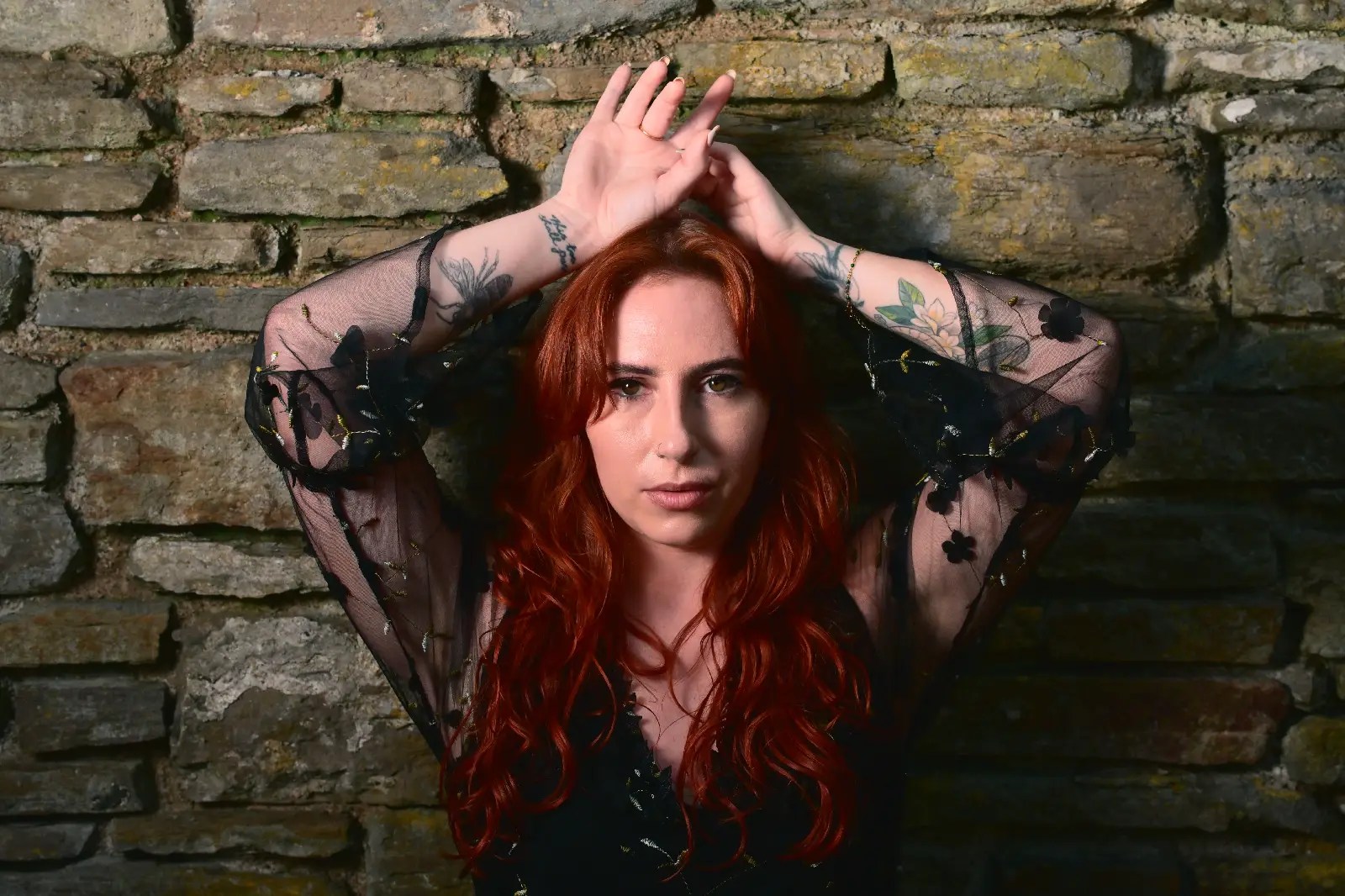

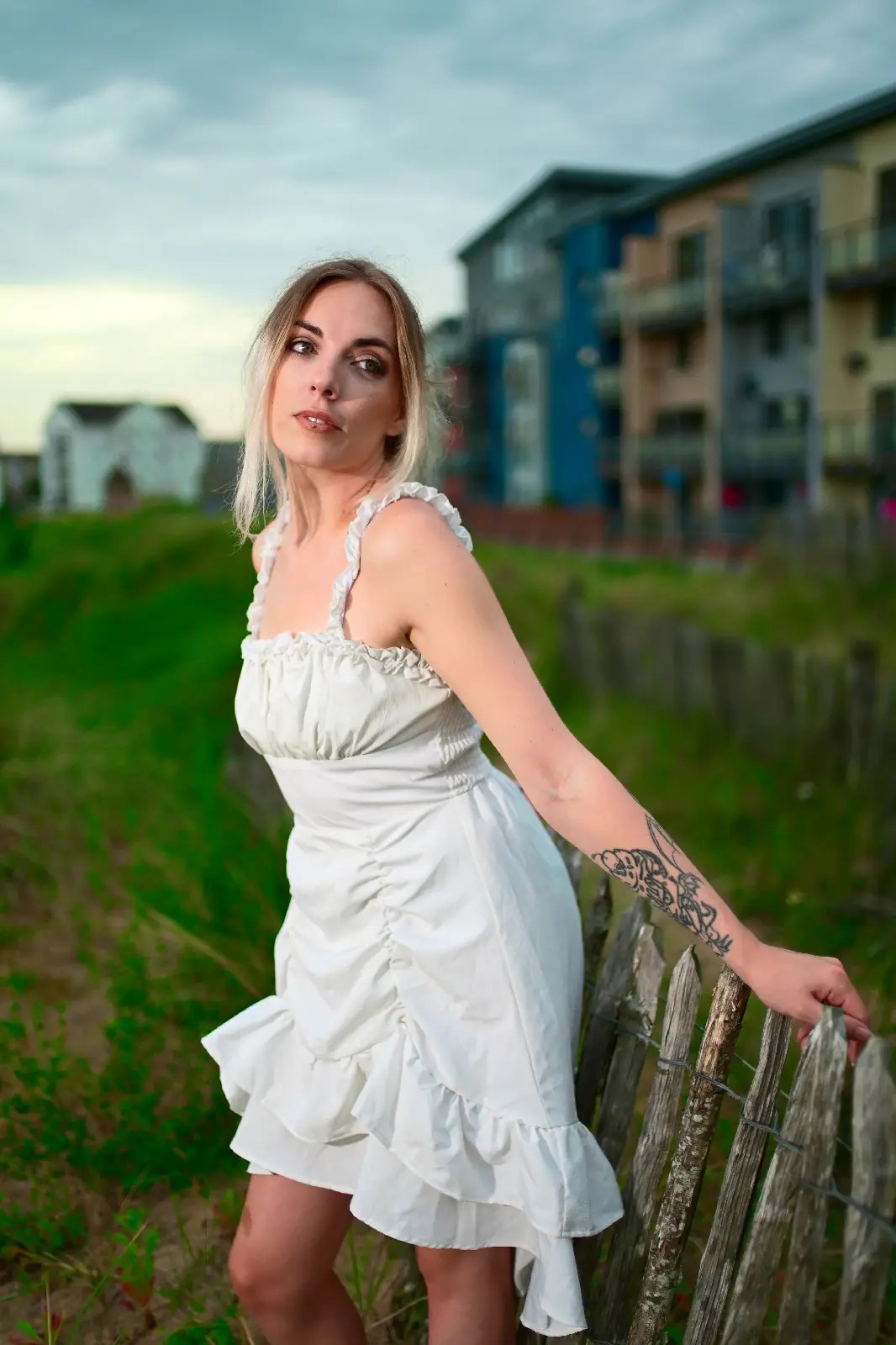
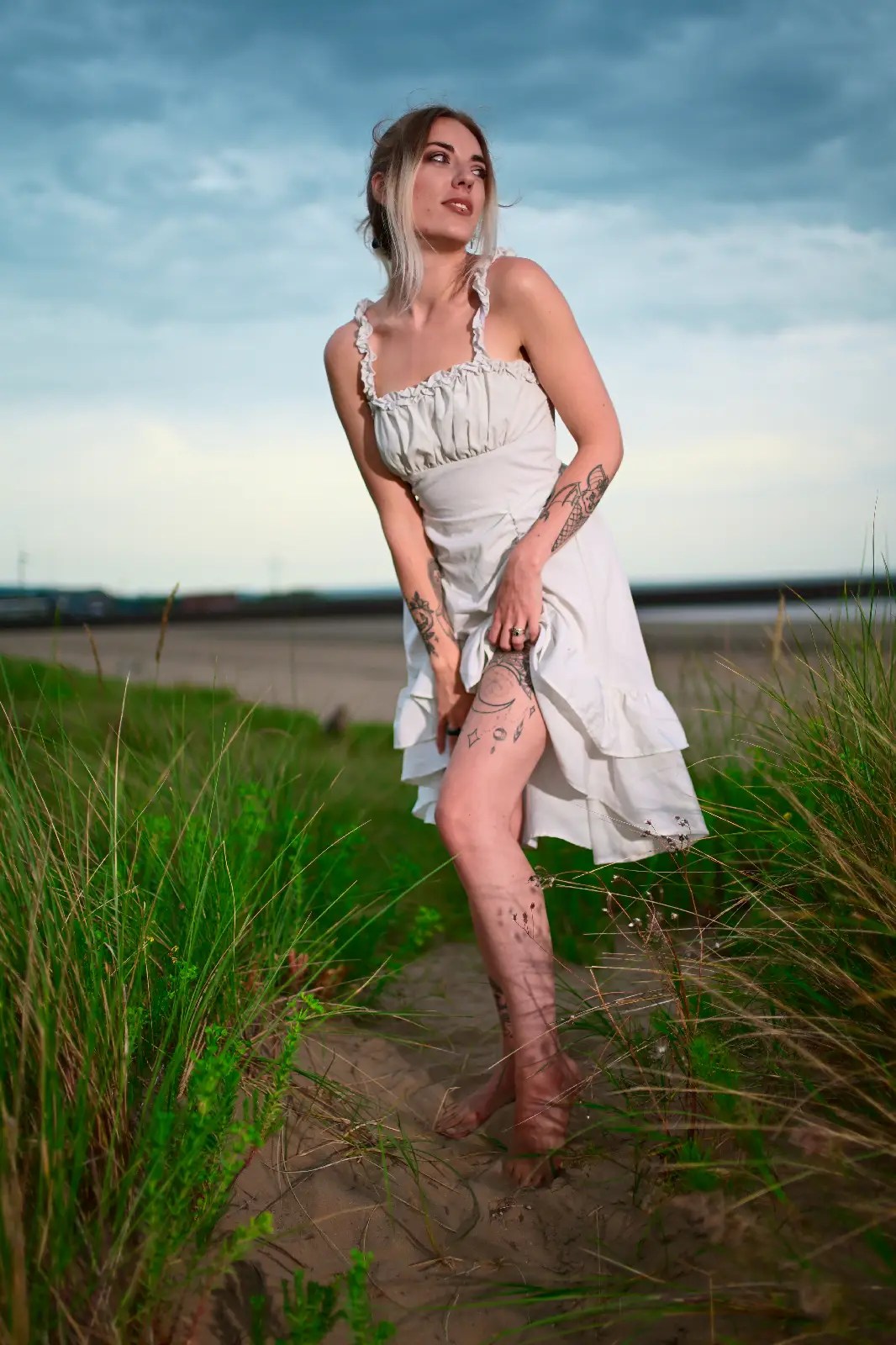

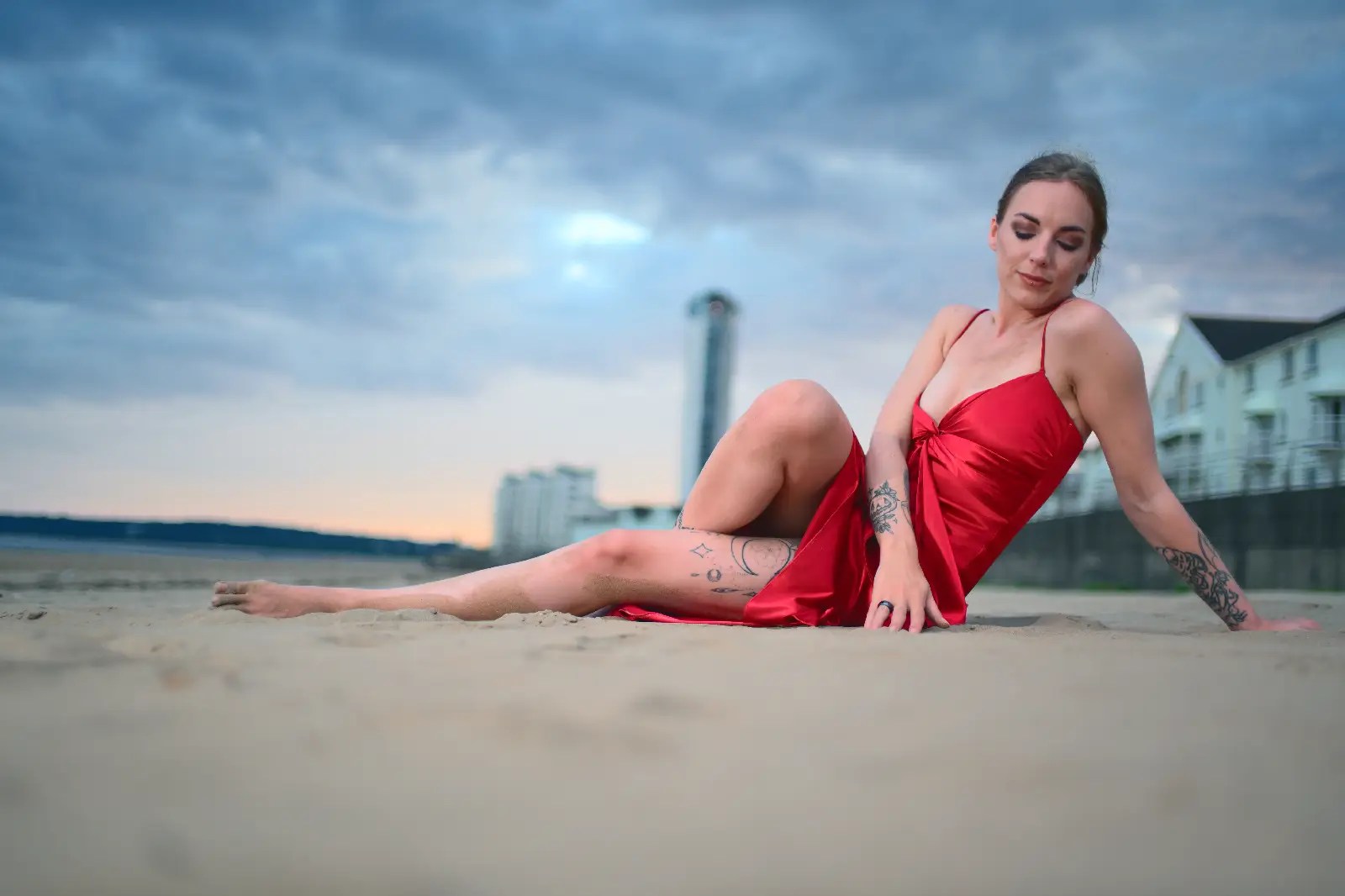
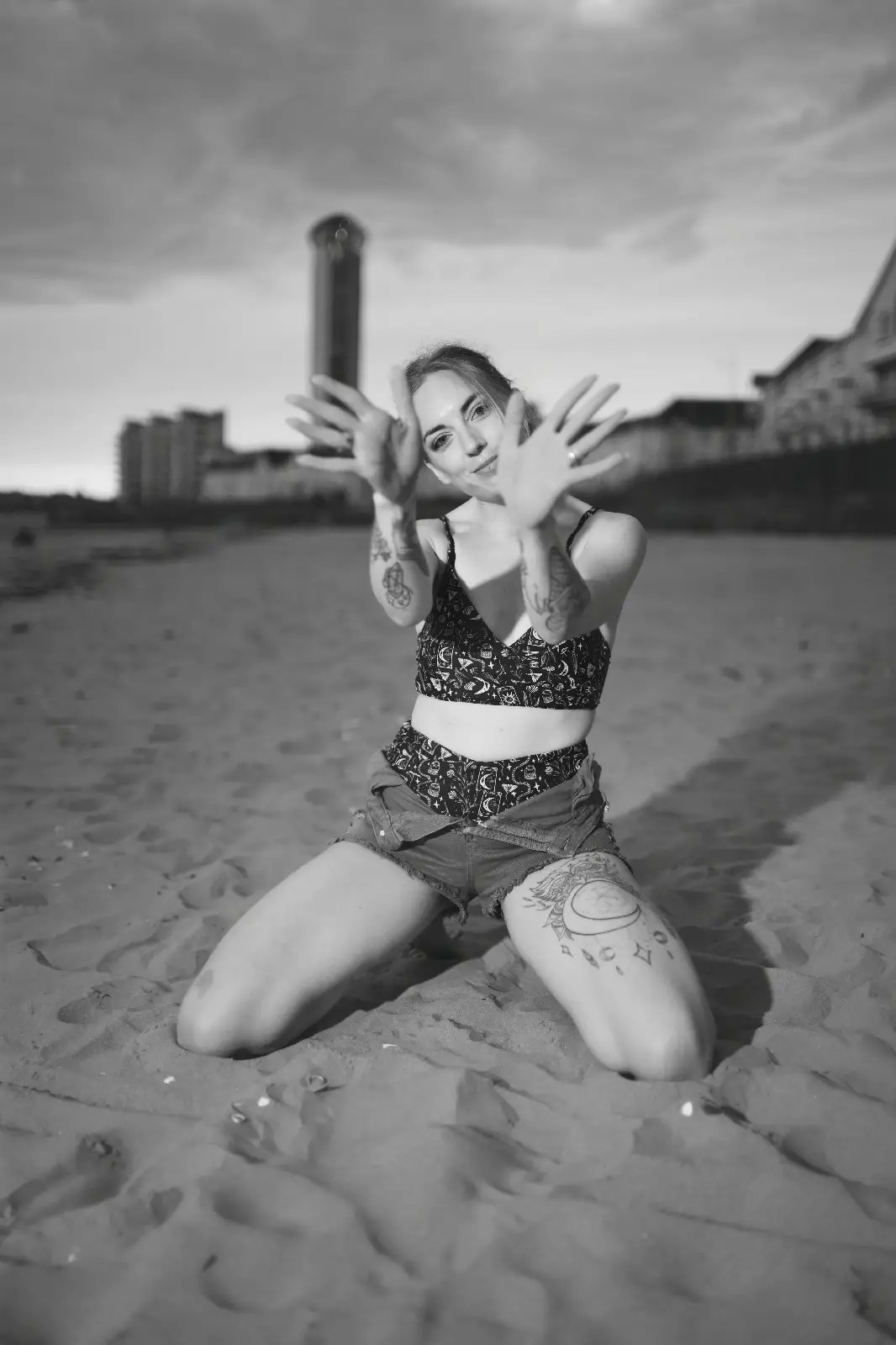
See the full size, straight from camera images here with all EXIF
“The Bottom Line”
Post-processing is best utilised the way darkroom chemistry was used in the days of film: to enhance, accentuate, and polish a vision that has already been successfully captured. Less is always more, fine tweaks here and there. If you’ve captured your image accurately in camera (exposing correctly with good light), often you can use the jpegs. In fact, many photographers (both hobbyists and paid professionals) will use the jpeg if it’s been captured beautifully in camera to save time on editing.
The next time you are out with your camera, treat every frame as a definitive statement. Imagine that you have to present your images directly from the memory card the moment you finish. Whether you are capturing light on a compressed JPEG or a massive RAW file, the goal remains unchanged: make the magic happen inside the camera.
“Conclusion”
It really doesn’t matter if you shoot jpeg, raw or both. When you get home from a shoot for fun, or a paid job with hundreds of images, knowing that you can use the jpeg straight from camera, or the raw file needs little no no adjustments (other than the tap of the auto-button) is the best feeling in the world. It’s a feeling of accomplishment, knowing you got it perfect at the time you pressed that shutter.
You often hear a photographer say that they will “fix it in post” and in some genuine situations this does need to be done, but often it’s a lazy excuse for just not getting it right in camera. The funny thing is, if they’d got it right in camera, there would be no reason to spend even more time at your computer.
As for myself, I shoot both raw and jpeg, both when doing personal photography and for my regular professional work (and I know I’m not alone). I have different colour profile “recipes” that I’ve designed that ensure I get the look I want in-camera, and I will use whichever I feel I need to at the time. I don’t distinguish between raw and jpeg, I’ll use them equally, and mixed depending on what is needed for myself or my client.
Getting it right in camera is an art, that many people wrongly dismiss (usually because they listen to entertaining YouTubers etc who are trying to sell their lightroom presets!).
My name is Mark G Adams and I run Photography By Mark G Adams. I am a professional photographer from South Wales, shooting weddings, events and portraits as well as running meets and workshops. For fun I like to shoot landscapes, wildlife and occasionally do street photography. Enjoy my website as I share my knowledge learned over decades of working and having fun in photography – This Is My Personal Website
You can find all the latest articles and blogs on my homepage here.
My main photography social media page is my Photography By Mark G Adams page.
Nikon Recipes for the Z system can be found here.
You can find a complete list of my gear here.
DOWNLOAD THE LATEST “ADVENTURES IN PHOTOGRAPHY” MAGAZINE FOR FREE HERE
 One Camera One Lens Photography
Well said Mark. Its more about the hardware between the ears than the hardware in front of the eyes. Take the shot right, the first time and post will consist of a twitch of brightness and contrast. Have a great evening. Allan
LikeLiked by 2 people
Thank you Allan. Same to you. Keep up your good work.
LikeLike
Hey Mark, I totally agree that the better the capture, the less work you’ll need afterwards. That’s something every photographer should aim for.
With birds and wildlife it’s often a little different, though. Many moments happen so quickly that you simply don’t have time to fine-tune every setting, which is one of the reasons I eventually switched to shooting RAW only.
Like you, I shot both RAW and JPEG for years. These days I use RAW because it suits my workflow better, not because I want to “fix it in post.” I see RAW more as the digital equivalent of developing film in the darkroom. The aim is still to get the exposure, composition and focus as right as possible in-camera.
The weather has finally changed here. Much cooler nights and about 10°C lower during the day, which for me means it’s finally time to get back outdoors. I’ve been stuck inside for far too long. Hopefully it’s cooled down a bit where you are too. The kids are probably enjoying their holidays by now.
Have a great day with your family, Mark!
LikeLiked by 1 person
Thanks Marc 🙏
LikeLiked by 1 person