

It’s currently June 2025 and I have been using my Nikon Z6ii for around 18 months (and around 14,000 images), and it is at this point that I feel I can give a full and honest review of the camera, how it is to handle, how the files are to edit and that important question that always gets asked, just how good is the autofocus. Needless to say, these are all my thoughts, my name is Mark, I’ve been doing some form of photography almost all my life and I’ve used many cameras throughout the years. Let’s take a deep dive….
Before we start, let’s take a look at what exactly the Nikon Z6ii is.
A brief summary of the Nikon Z6ii
The Nikon Z6 II is a full-frame mirrorless interchangeable-lens camera released in late 2020, serving as the successor to the original Z6. It’s a versatile camera designed for both stills and video, and while it retains the same 24.5-megapixel BSI CMOS sensor as its predecessor, it introduces several key improvements.

Here’s a brief summary of its main features and enhancements:
* Dual EXPEED 6 Processors: This is a significant upgrade, doubling the processing power compared to the Z6. This leads to faster performance across the board, including improved autofocus, higher continuous shooting speeds, and a larger buffer capacity.
* Dual Memory Card Slots: A highly requested feature, the Z6 II now includes both a CFexpress/XQD slot and an SD (UHS-II compatible) card slot, offering greater flexibility and redundancy for storage.
* Improved Autofocus: The autofocus system benefits from the dual processors, offering enhanced speed, accuracy, and low-light performance. It also features improved eye-detection AF for both humans and animals, applicable to both stills and video.
* Faster Continuous Shooting: It can shoot at up to 14 frames per second (fps) with full autofocus and auto-exposure (with some limitations for 14-bit RAW and specific AF modes), a bump from the Z6’s 12 fps. The buffer has also been significantly increased.
* Enhanced Video Capabilities: While the Z6 already offered strong video, the Z6 II improves upon it with 4K UHD video recording at 60p (via a firmware update, with a DX crop) in addition to full-frame 4K/30p and Full HD up to 120p. It supports 10-bit N-Log and HLG (HDR) output for external recording.
* In-Body Image Stabilization (IBIS): It features a 5-axis in-body vibration reduction system, providing up to 5 stops of stabilization.
* Robust Build and Ergonomics: The Z6 II maintains the comfortable grip and weather-sealed magnesium alloy body of its predecessor, making it durable for various shooting conditions.
* Tilting Touchscreen LCD and EVF: It features a 3.2-inch tilting touchscreen LCD and a high-resolution 3.69-million-dot electronic viewfinder (EVF).
* USB Power Delivery: The camera can be powered and even charged via USB-C, which is useful for extended shoots.
* Compatibility with Vertical Battery Grip: The Z6 II is compatible with an optional MB-N11 power battery pack that includes integrated controls for vertical shooting.
In essence, the Nikon Z6 II builds upon the solid foundation of the Z6, addressing key user feedback (like the second card slot) and leveraging dual processors to deliver a more powerful, versatile, and refined full-frame mirrorless experience for both photographers and videographers.


Camera ergonomics
The Z6ii is one of those cameras that just feels “right” in the hand. It is not too heavy, it has a lovely sized grip and the buttons are in tactile places so that you can access every one of them while your eye is to the viewfinder and you’ll know exactly what you are adjusting.
My Z6ii gets a lot of use, and I have put a silicone case on it. Although this doesn’t add to the cameras size as it is extremely thin, it does give it even more grip with the textures on it, plus keeps the camera feeling the right temperature, so when you are out in the freezing cold, or the boiling hot, the handling is always comfortable.
Image Quality
I’m going to get this out of the way straight away. The image quality from the Z6ii is mind-blowing. With it’s 14.7 stops of recorded dynamic range (DXO measured), I’ve never felt the need to bracket and composition (unless I’m looking for the HDR look).
Pulling up the shadows or bringing down the highlights it’s easy, with little to no detrimental affect on image quality. So much information is recorded that you really have to have missed your exposure by a good few stops to run into any issues.


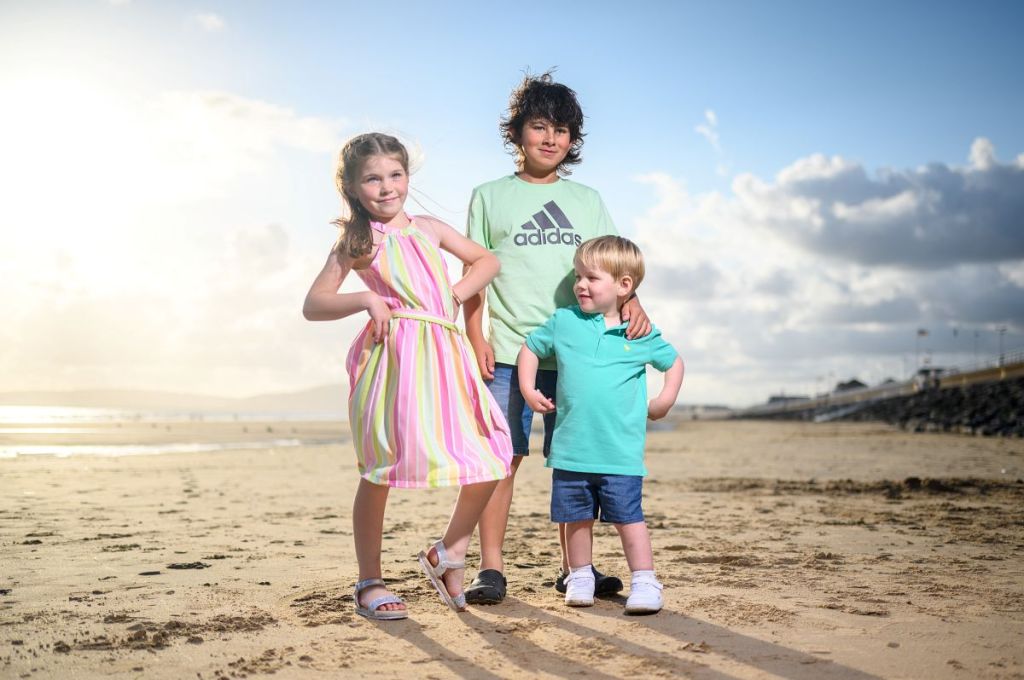

As for the noise, I can honestly say this is the first camera I seriously do not worry about any noise. For most occasions when I don’t need to lock my settings, I’ll use auto-ISO set up to 6400 (or 12800 if I am using a slower lens). Unless you start pixel-peeping, the noise is really not an issue, and I have yet to use any sort of software to remove the noise in any pictures for myself or my clients.
Autofocus
There are so many people who just don’t understand the autofocus in the Nikon Z6ii. You need to be in specific modes for specific things when you are not doing the type of photography that you always do.
To put this into context. If I am out shooting birds in flight or aircraft etc, I will not be using the same autofocus settings that I use for people and events. The autofocus in the Nikon Z6ii has never let me down and I honestly fail to see why people have issues other than pure user error.
For general use and for photographing weddings/events and portraits, I will almost exclusively have the autofocus set to wide area tracking with eye/face detect (humans) on, and the F1 button set as tracking over-ride. This simply never lets me down, and in a full shoot it always amazes me that the AF hits the eye, or the target set by tracking, each and every time.
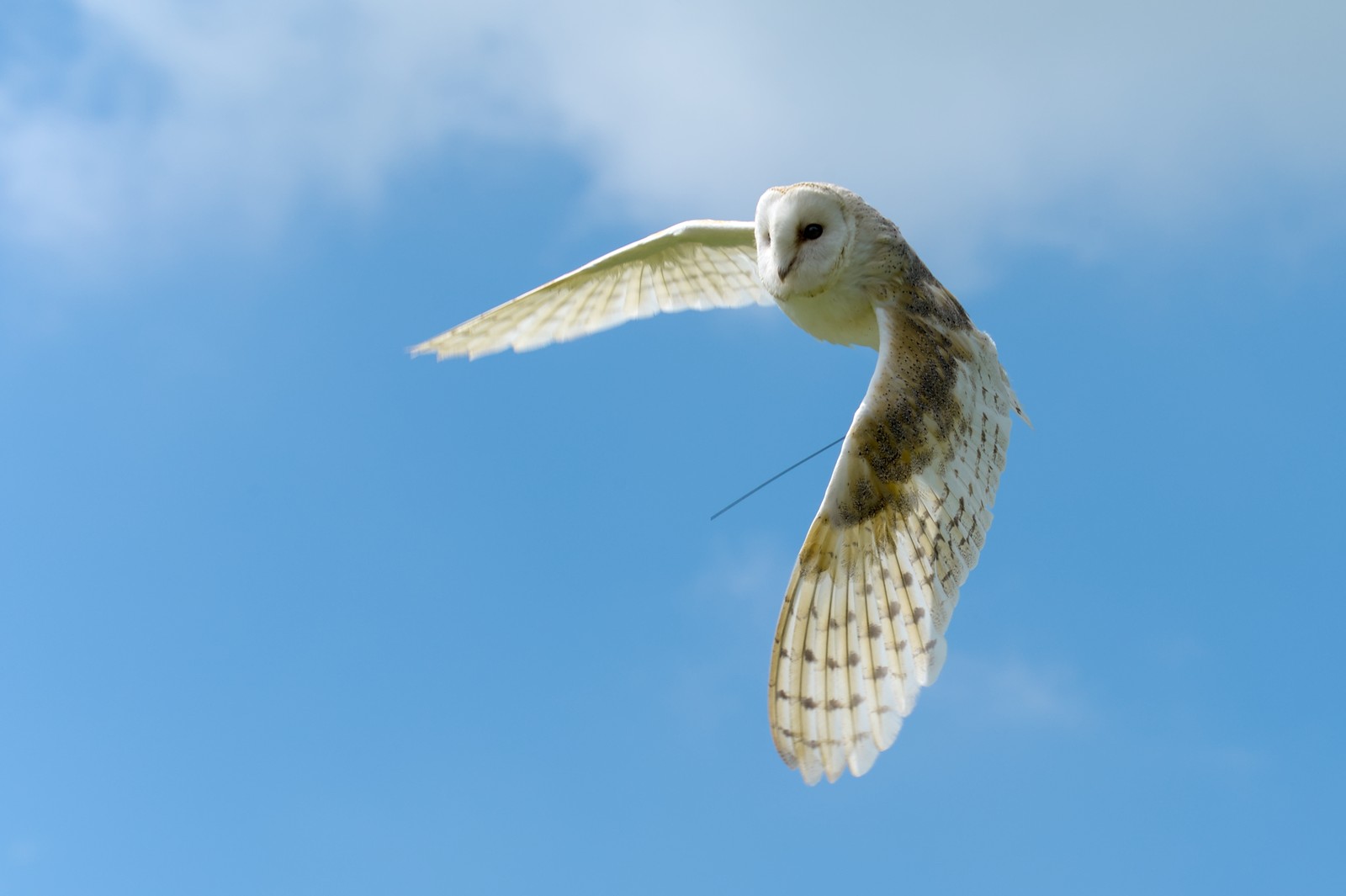
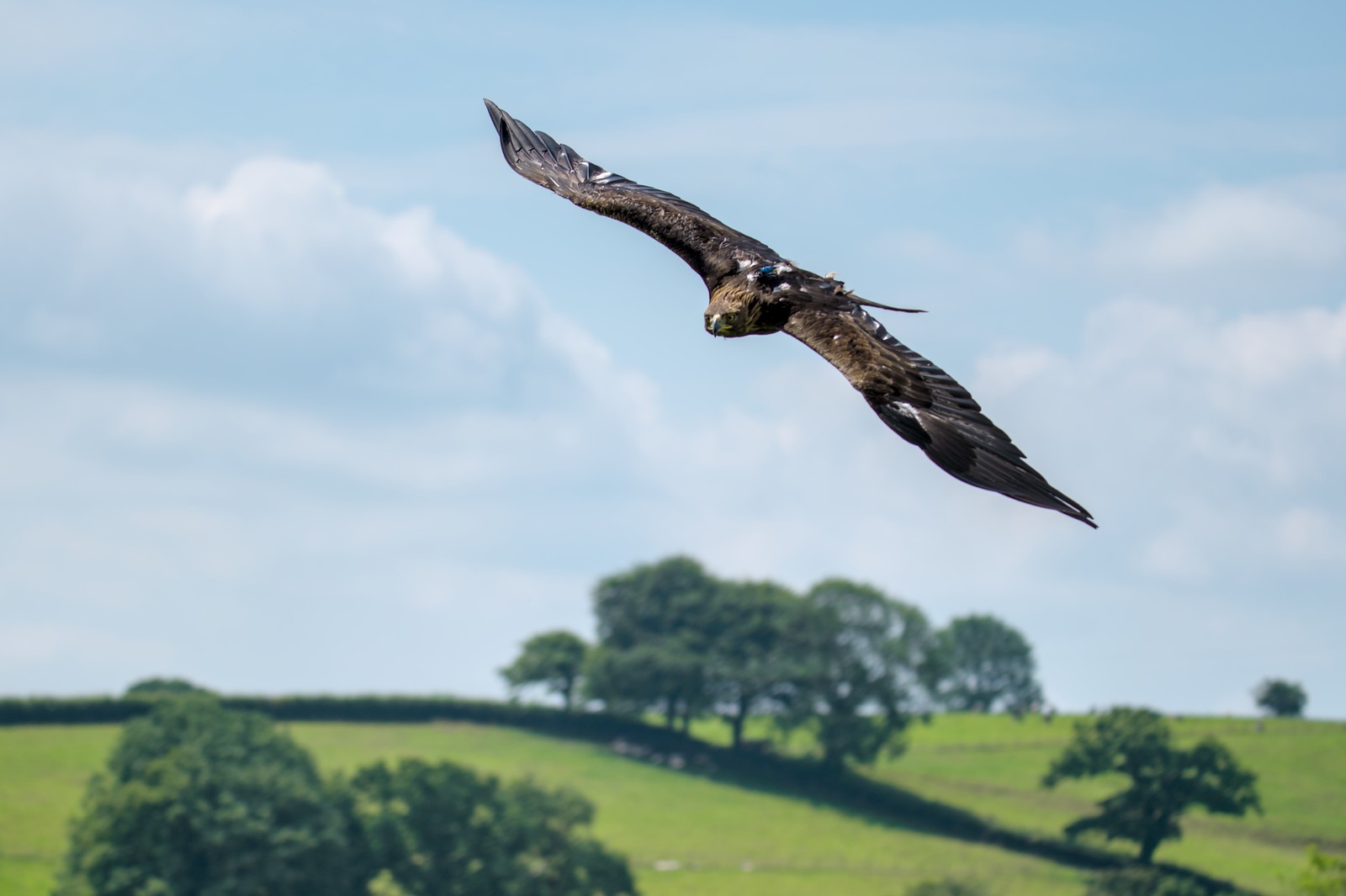


Again, some context, as I also use a brand new Nikon ZF side-by-side which uses Nikon’s latest autofocus. I switch seamlessly between the cameras (usually I have a prime lens on each one) and I never feel that the Z6ii is a lesser autofocus. The ZF may pick up eyes slightly faster, but when you’re running around capturing the moment, you really don’t notice. Even in low light (which I encounter often), there is minimal difference. (Note: There are extra focus modes on the ZF that utilise customisable focus areas, however, when using two cameras, I like to keep the focusing and access to the focusing the same on each camera).
Basically, learn to use your camera and what each focus mode does, and you’ll have zero problems. Leaving your camera in one mode and expecting miracles simply won’t work.
Summary
My Nikon Z6ii is my “workhorse” camera. It’s a camera you can pick up and rely on, at every single opportunity. It’s robust and it’s a camera you can take out in all weathers and situations and you’ll get the result that you desire.
As I’ve said, I use a Nikon ZF as my second camera, or more specifically a “me time” camera, so knowing that I can pick up the Z6ii and have zero issues is always a good thing. I also use many other cameras because of my involvement in photography, and more recently I’ve used the Nikon Z5ii. This is basically the same software and performance as the Nikon ZF. If I had to make the choice in buying a new camera, and I could get the Z6ii for half the price of the Z5ii, I wouldn’t hesitate in still getting the Z6ii. It’s honestly fantastic.


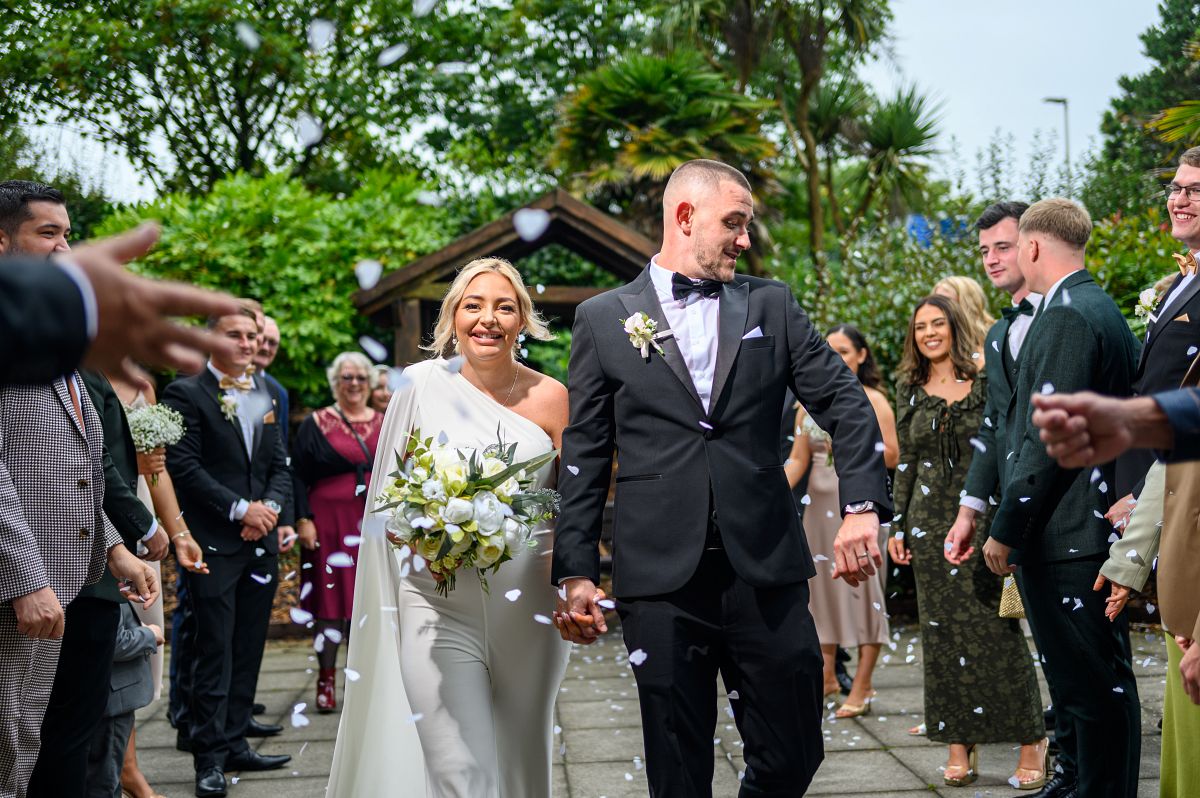

I’m not just saying the Z6ii is a good camera because I’ve got one either. Because I could easily sell it and replace it. I’m saying it’s excellent because it gets results done for work and for play. It’s solid, robust, stable and the autofocus works perfectly in every situation I’ve thrown at it (take a look through the website at everything captured with it since January 2024).
The Z6ii didn’t just meet my expectations, it surpassed my expectations. Moving back to Nikon after a 6 year fling with Fujifilm cameras made me realise just how great Nikon cameras are. So if you’re looking for a camera that is everything I’ve mentioned, look no future. You’ll not regret it.
 One Camera One Lens Photography
Hi This is really helpful. I have a Z6ii and most of my photography is interiors, some landscape. Occasionally I do a sporting event and have to quickly adapt. What auto-focus settings do you advise for a sporting event – this might be a race ( people) or a mountain bike event ( hard to use eye detection as the riders have full face helmets on)? Many thanks for advise. Mark
>
LikeLiked by 1 person
Thank you very much.
Honestly, it will depend on the sport, but I would use the large (not fully wide) autofocus box with face/eye detect along with F1 set as tracking to quickly switch between the two modes.
Selecting the large box (not full) seems to make the AF even more responsive. If you’re finding that is not enough, or want to override it, hit the F1 button to kick in tracking mode which works really well on larger subjects with plenty of separation from the background.
All of this of course depends on the focal length, so a bit of experimenting will help, and after one or two attempts you’ll know what works best.
I hope this is of help for you.
LikeLike