
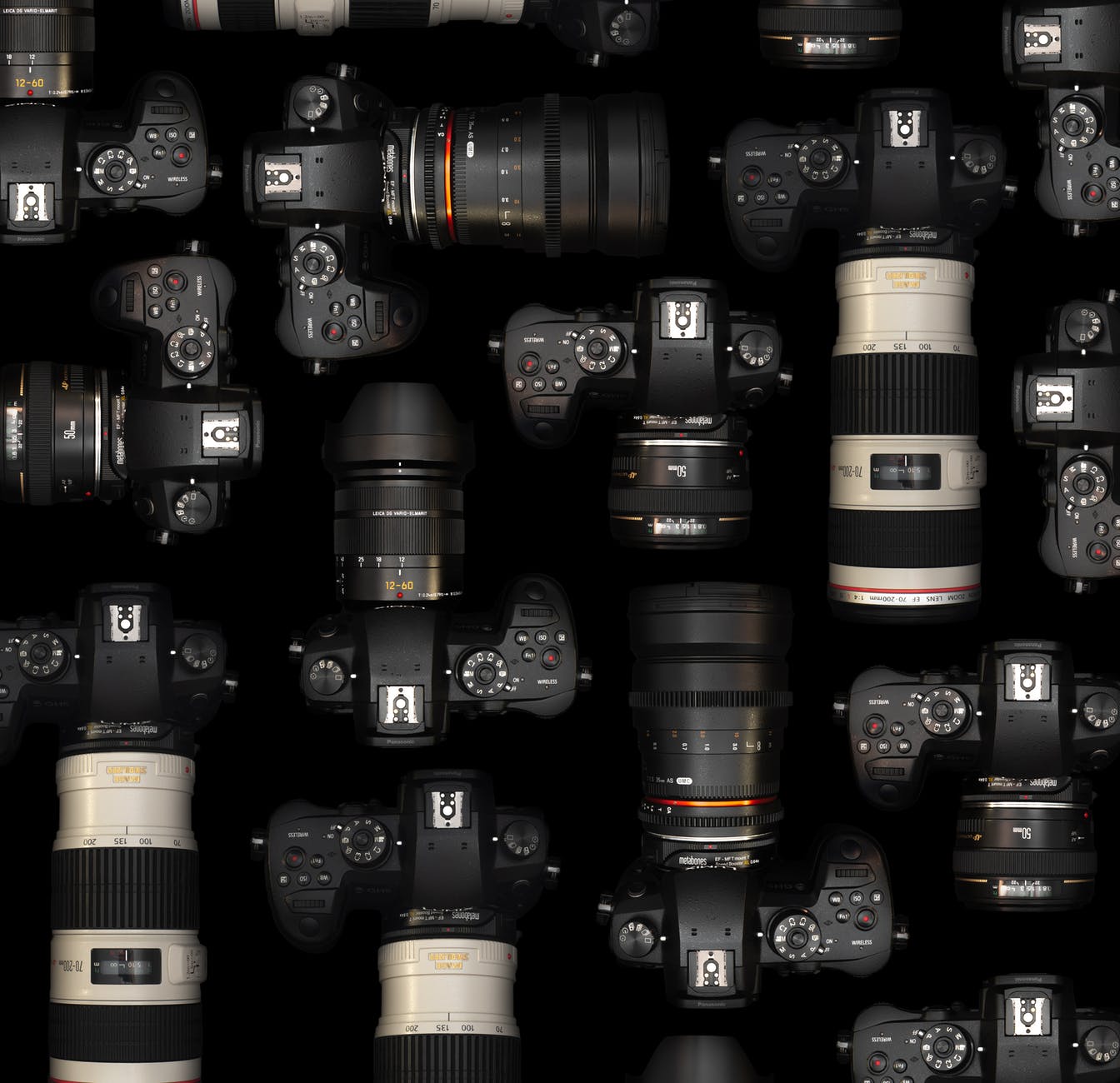
We live in the golden age of gear. Every few months, a new camera body is released with more megapixels, faster autofocus, and better dynamic range. We have zoom lenses that cover every focal length imaginable and software that can “fix” almost any mistake in post-production.
But for many photographers, this abundance doesn’t lead to better photographs, it leads to choice paralysis. When everything is possible, deciding what to do becomes a burden.
The Paradox of Choice
The concept of choice paralysis, or the Paradox of Choice, suggests that while some choice is good, too much of it leads to anxiety and indecision. In photography, this manifests in several ways:
- The Gear Bag Burden: Carrying three different lenses “just in case” often means you spend more time swapping glass than watching the light.
- The “What If” Loop: While framing a shot, you wonder if it would look better wider, tighter, or from a different angle, eventually missing the “decisive moment” entirely.
- Post-Processing Fatigue: Having 500 presets and a dozen sliders to choose from can make it impossible to land on a consistent style.
Why Constraints Breed Creativity
Some of the most iconic photographs in history were taken with equipment that we would consider primitive today. Why? Because limitations force you to be resourceful.
1. The Power of the Prime Lens
Using a single prime lens (a lens that doesn’t zoom) is the ultimate cure for choice paralysis. When you can’t zoom with your fingers, you zoom with your feet. You stop asking “Which focal length should I use?” and start asking “Where do I need to stand to make this work?” This builds a stronger “internal eye” for composition. I have written about this in depth here.
2. Reducing Technical Variables
If you spend your shoot constantly tweaking ISO, shutter speed, and aperture while toggling between twenty different focus modes, you aren’t looking at your subject. By simplifying your settings or even mastering just one mode you free up your brain to focus on the story and the emotion of the frame.
3. The “Film Mentality”
Even when shooting digital, acting as if you only have 24 frames left can change your approach. When every click of the shutter is a deliberate choice rather than a “spray and pray” attempt, the quality of your work naturally rises.
How to Simplify Your Process
If you feel stuck or overwhelmed, or simply want to improve your photography, try these steps to bring the joy back to your craft:
Instead of bringing your whole kit try taking only one body and one lens.
Instead of shooting 1,000 photos try to set a limit of 50 photos for the day.
Instead of using complex editing tools try limiting yourself to basic Crop and Contrast.
Instead of searching for “perfect” light try finding a way to make “bad” light interesting.
Conclusion
In photography, less is more isn’t just a minimalist aesthetic; it’s a psychological tool. By narrowing your options, you remove the friction between your eye and the shutter. When you stop worrying about what you might be missing with a different lens or a different setting, you finally start seeing what is right in front of you.
Next time you head out, leave the extra gear at home. You might find that the fewer choices you have, the more creative you become.
You can find all the latest articles and blogs on my homepage here.
My main photography social media page is my Facebook One Camera One Lens Photography page.
Nikon Recipes for the Z system can be found here.
You can find a complete list of my gear here.
 One Camera One Lens Photography
Always a good exercise, and putting limits really do reduce the stress. Less gear, fewer choices, a quieter head – and suddenly it all flows more naturally again.
LikeLiked by 1 person
I see people taking all their equipment out, lots of lenses, just in case… You can see them thinking what they want to use, instead of just getting the shot on instinct.
LikeLiked by 1 person
Agree! I have recently switched to a 35 mm prime lens. I will force myself to stay on this until I get my best results.
LikeLiked by 2 people
It really works wonders doing that!
LikeLike