

The Nikon Z5II C bridges the gap between smartphone simplicity and full-frame creative control. Designed specifically for young creators and everyday shooters looking for their first real camera, it ditching complex technical setups in favour of a fast, intuitive experience. I take a look at the camera’s specifications, the trade-offs and who exactly I think this camera is for and my thoughts.
The Z5II C takes the high-powered internals of the Z5II, including its full-frame sensor and flagship processing, and crams them into a compact, rangefinder-style body. It is designed to slide directly into a everyday bag while giving your photos and videos real optical depth, rich low-light performance, and natural background blur that no smartphone algorithm can truly replicate.

“Built for the Smartphone Generation“
Transitioning from a phone to a dedicated camera can feel intimidating, but the Z5II C leans into familiar touch controls and instant visual feedback:
- Instant Creative Recipes: A dedicated color preset button lets you cycle through custom color profiles, film emulations, and creator presets right on the screen—delivering styled JPEGs ready to share without touching desktop editing software.
- On-Demand Film Grain: Dial in organic, analog grain directly in-camera to give your shots a retro aesthetic before you even export them.
- Smart Scene Dial: First-time shooters get 15 dedicated Scene Modes on the main dial (like Pet, Food, Twilight, or Portrait), allowing the camera to automatically balance exposure, white balance, and colors for complex environments.
- Tap-to-Shoot Navigation: The vari-angle touchscreen supports intuitive swipes, pinches, and tap-to-focus controls, keeping the operational feel as familiar as holding a phone.
- Next-Gen AI Focus: Borrowed from higher-end models, the camera automatically tracks 10 different subjects—from people and pets to vehicles and aquatic life—so you can focus entirely on framing.

“What Was Trade-Off? (Missing Features vs. the Z5II)”
To make the Z5II C significantly lighter, sleeker, and more affordable than the standard Z5II, Nikon made a few deliberate design compromises:
- No Electronic Viewfinder (EVF): The signature viewfinder bump on top is completely gone. You frame all your shots and videos entirely using the rear LCD screen, much like shooting with a phone.
- Lower-Resolution LCD Screen: While fully articulating, the 3.2-inch rear display steps down to a 1.04M-dot panel compared to the sharper 2.1M-dot screen found on the full-sized Z5II.
- Single SD Card Slot: The Z5II offers dual card slots for instant backup; the Z5IIC trims this down to a single UHS-II SD card slot to save physical internal space.
- Slightly Reduced Continuous Buffer: High-speed continuous shooting performance is capped slightly lower in raw formats compared to its larger sibling, though it maintains fast burst options for everyday action.
By shaving off those traditional features, the Z5IIC delivers a lighter, fun, grab-and-go camera that gives smartphone upgraders full-frame image quality without the bulky, technical footprint.
“Honest Thoughts And Conclusion”
I can speak honestly about the performance of the Nikon Z5ii C as I have a Nikon ZF and also use a Nikon Z5ii regularly. There is no question that this camera can perform well, and is more than capable to handle anything thrown at it. It has reliable autofocus, with a new “fish” autofocus option added, so you can literally hit focus on almost everything as the camera recognises almost everything!
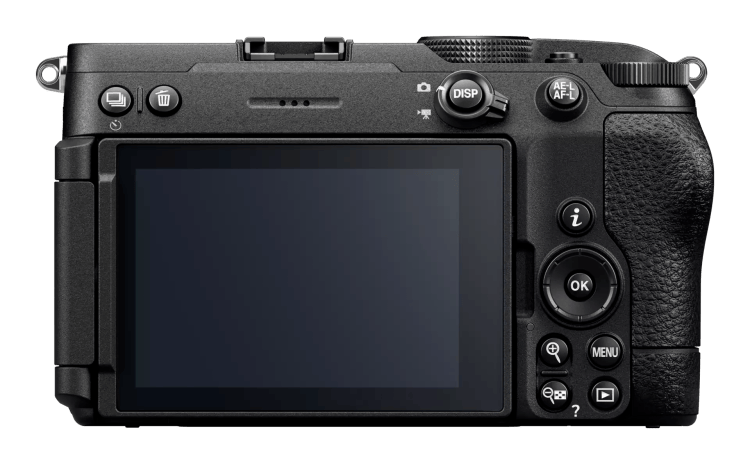
I know the camera is fast in operation, as the button layout is almost identical to the Z5ii (and almost identical to my Z6ii) and it being a Nikon, you know all the buttons are in the right places for easy operation. It is missing the Nikon Z5ii thumb stick, but honestly, that will not affect its target audience.
Talking of the target audience, who will it be? Well, it is very competitively priced, being potentially over £300 cheaper than the Nikon Z5ii. The missing EVF will instantly turn-off many photographers, but this camera is not aimed at them. It will satisfy the Gen Z crowd, the ones who want to capture everyday life, and have done since they could pick up their phones. They are used to having no EVF. It will also be useful for bloggers, being significantly lighter than the Z5ii, holding one of these on a gimbal becomes a lot easier.
Nikon really missed a trick here by only making the camera available in black and black/silver though. If they had released colour variants the camera would have doubled its appeal to the young audience, the trendy teens and early 20s crowd and more. Come on Nikon, you know you can do that!
Am I excited about the Nikon Z5ii C? Yes, of course! I have actually been looking at the Nikon Z30 for some time now as a lighter alternative to the ZF and Z6ii cameras. Lack of EVF does not bother me for the way it will be used, as it would be replacing a phone usage, and honestly, I use the back screen often on my cameras anyway at things like weddings, events, portraits, landscapes and family photography.
It is an interesting camera, let me know your thoughts. Why not visit the Official Nikon Page Here.
Images taken from Nikon Website
ONECAMERAONELENS.COM – YOUR ONE STOP WEBSITE FOR UNBIASED AND ACCURATE PHOTOGRAPHY RELATED MATERIAL
My name is Mark G Adams and I run Photography By Mark G Adams. I am a professional photographer from South Wales, shooting weddings, events and portraits as well as running meets and workshops. For fun I like to shoot landscapes, wildlife and occasionally do street photography. Enjoy my website as I share my knowledge learned over decades of working and having fun in photography. Feel free to like, comment and subscribe!
You can find all the latest articles and blogs on my homepage here.
My main photography social media page is my Photography By Mark G Adams page.
Nikon Recipes for the Z system can be found here.
You can find a complete list of my gear here.
DOWNLOAD THE LATEST “ADVENTURES IN PHOTOGRAPHY” MAGAZINE FOR FREE HERE
Visit my YouTube channel, it is dedicated to photography!
Visit my Film Preservation Website “Our Life On Film” here and discover over 130 years of scanned 35mm, 110, medium format and more film scans from my family archives.